
Japanese fairy lights solar offer a unique blend of aesthetic appeal and sustainable technology. These intricate designs, often featuring delicate patterns and vibrant colors, are meticulously crafted to create a warm and inviting atmosphere. Beyond their visual charm, the solar-powered nature of these lights provides an eco-friendly alternative to traditional options.
This comprehensive guide explores the nuances of Japanese fairy lights solar, from the distinctive design elements to the intricate solar panel technology that powers them. We’ll delve into installation, maintenance, pricing, and safety considerations, ensuring a complete understanding for potential buyers.
Overview of Japanese Fairy Lights Solar
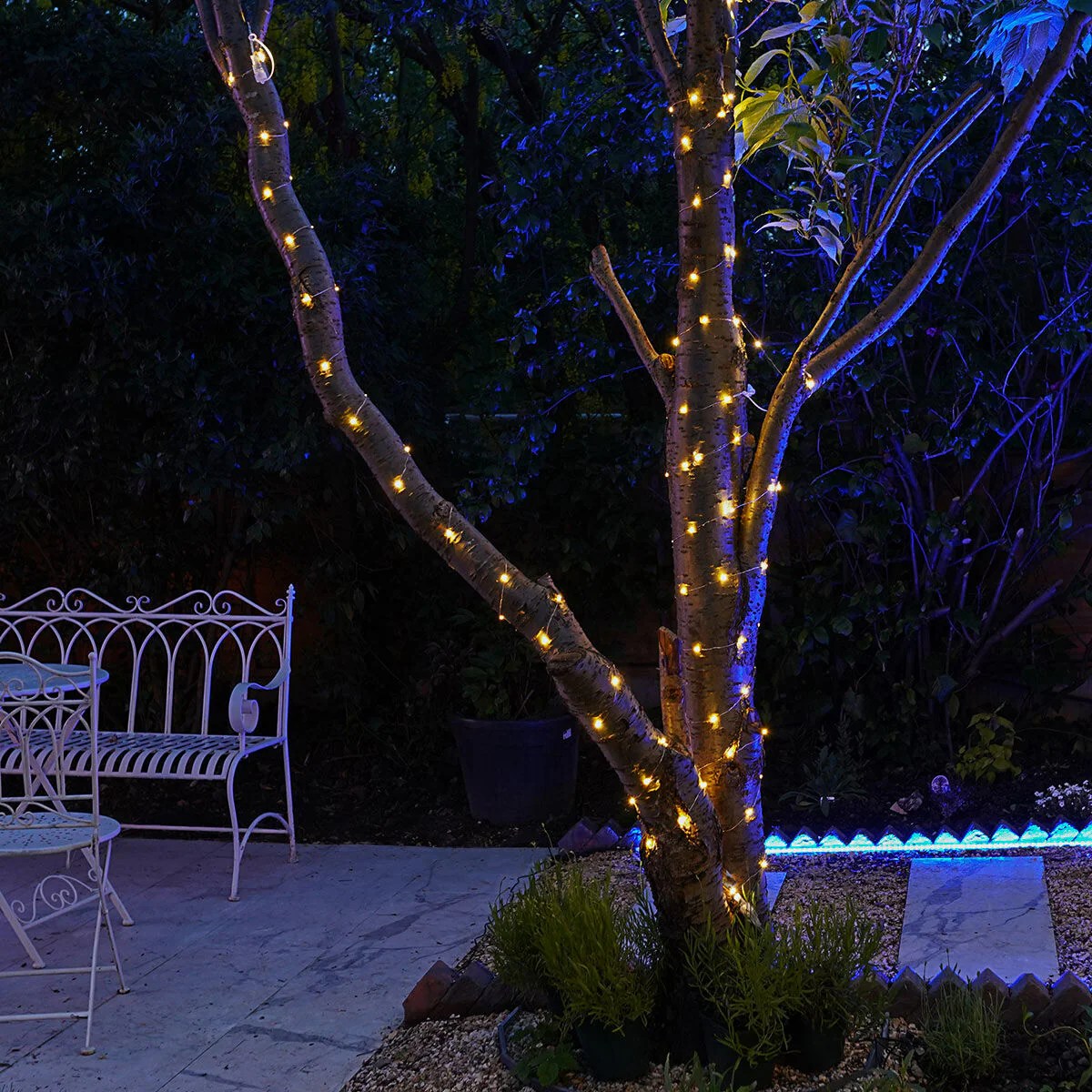
Japanese-style fairy lights, often found adorning homes and gardens, possess a unique aesthetic that distinguishes them from other types of string lights. Their intricate designs, vibrant colors, and emphasis on delicate patterns contribute to a tranquil and harmonious ambiance. These lights often incorporate solar power, reducing environmental impact while maintaining their captivating charm.Japanese fairy lights are characterized by a focus on understated elegance and natural beauty, contrasting with the often bolder designs of Western-style lights.
This subtle approach emphasizes the interplay of light and shadow, creating a visually appealing and peaceful atmosphere. This focus on tranquility and understated beauty is often seen in Japanese gardens and interior design.
Aesthetic Characteristics
Japanese fairy lights are designed with a focus on delicate patterns and intricate designs. This often involves the use of smaller bulbs spaced closely together, producing a soft, diffused glow. The overall aesthetic emphasizes the interplay of light and shadow, creating a tranquil and harmonious ambiance. This aesthetic is distinct from the more bold or flashy designs of some Western-style lights.
Common Colors and Patterns
Japanese fairy lights frequently feature a range of soft, pastel colors, including pale pinks, blues, lavenders, and greens. These colors often complement the natural surroundings, creating a serene and calming effect. Common patterns include delicate floral designs, flowing lines, and subtle geometric patterns. These designs echo the artistic sensibilities often seen in Japanese art and craft.
Materials Used in Construction
The materials used in constructing Japanese fairy lights are often carefully selected to complement the aesthetic. The bulbs are frequently made from durable, yet delicate materials, ensuring a long lifespan. The wires are often thin and flexible, allowing for intricate designs. The overall design emphasizes high quality materials, durability, and sustainability. The use of these materials also contributes to the light’s delicate appearance.
The choice of materials is not merely functional but also reflects the attention to detail and aesthetic sensibility prevalent in Japanese craftsmanship.
Solar Panel Technology in Japanese Fairy Lights
Japanese fairy lights, increasingly popular for their aesthetic appeal and energy efficiency, often utilize solar panels for their power source. These panels, though small, play a critical role in determining the lights’ operational lifespan and performance. Understanding their technology is key to appreciating the sustainability and practicality of these decorative items.Solar panels in these lights are designed for maximum energy capture from ambient sunlight, converting it into electricity to power the LED lights.
The effectiveness of this conversion, along with the panel’s size and charging capacity, significantly impacts the overall performance and duration of the light display.
Efficiency of Solar Panels
The efficiency of solar panels in these lights is a crucial factor. It measures how effectively the panel converts sunlight into usable electricity. Higher efficiency panels generate more power from the same amount of sunlight, leading to longer operational times and a reduced need for frequent charging. Manufacturers often aim for a balance between efficiency and cost-effectiveness.
Types of Solar Panels
Various types of solar panels are used in these decorative lights. Polycrystalline silicon panels are a common choice, known for their moderate cost and relatively good efficiency. Monocrystalline silicon panels, while more expensive, offer higher efficiency rates, enabling longer operating times under similar sunlight conditions. Amorphous silicon panels, with their flexibility, are also sometimes used in certain applications.
The selection of panel type directly impacts the performance and cost of the fairy lights.
Charging Capabilities and Duration
The charging capabilities of the solar panels determine how quickly the lights’ battery stores energy. This, in turn, influences the operational duration of the lights each day. The size of the integrated battery also plays a critical role. Larger batteries can store more energy, allowing the lights to operate for extended periods on a single charge, particularly during cloudy periods or shorter daylight hours.
Practical examples show that on a sunny day, efficient panels can fully charge the battery, enabling the lights to operate throughout the night.
Factors Influencing Lifespan
Several factors influence the lifespan of the solar panels in these lights. The quality of the materials used in the panel construction, including the silicon, anti-reflective coatings, and encapsulation, plays a significant role. Temperature fluctuations, especially extreme heat or cold, can affect the performance and lifespan of the solar cells. Over time, exposure to sunlight and environmental factors such as dust or moisture can degrade the panel’s efficiency, potentially shortening its operational life.
The presence of any physical damage, like scratches or punctures, also reduces the efficiency of the solar panel and can significantly affect its overall lifespan.
Impact of Weather Conditions
Weather conditions have a profound impact on the performance of the solar panels. Direct sunlight is essential for optimal charging. Cloudy days or periods of shade significantly reduce the amount of sunlight reaching the panels, hindering charging and potentially leading to shorter operating times. Heavy rainfall can wash away dust and debris, potentially improving efficiency for a short period, but prolonged periods of moisture can damage the panel and decrease its lifespan.
Similarly, snow accumulation can reduce sunlight reaching the panels and affect their performance. Manufacturers often design the panels with weather-resistant properties to mitigate the impact of such conditions.
Design and Construction of Japanese Fairy Lights Solar
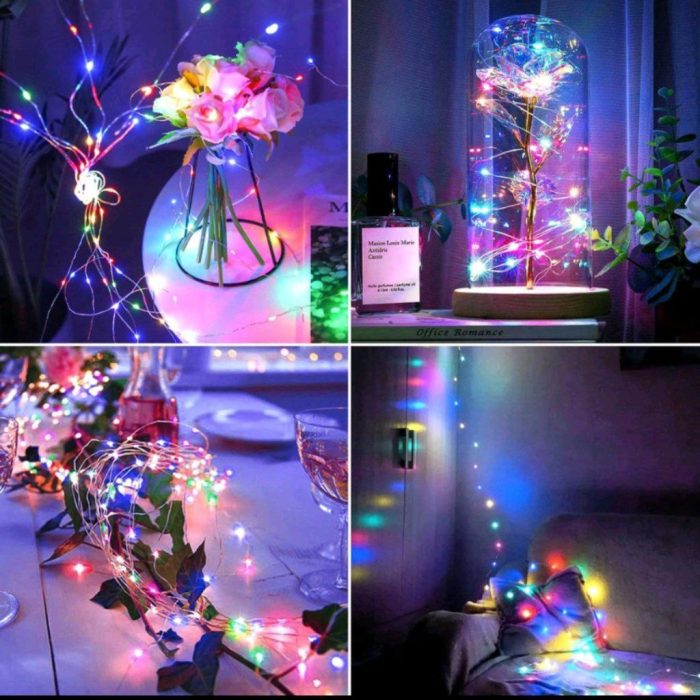
Japanese solar fairy lights are gaining popularity for their eco-friendly nature and aesthetic appeal. Their design, carefully balancing functionality and visual appeal, is crucial to their market success. The construction process, from light bulb selection to solar panel integration, dictates performance and longevity.Japanese manufacturers are meticulous in their design choices, prioritizing both aesthetics and efficiency. This attention to detail is reflected in the various configurations, bulb types, and assembly methods employed.
Lighting Configurations
The configuration of Japanese solar fairy lights significantly impacts their overall aesthetic and usability. Different configurations cater to various decorative needs. String lights are popular for creating ambient illumination along fences, trees, or other structures. Clustered configurations offer a more concentrated light source, ideal for highlighting specific areas or creating a focal point. These configurations allow for customized lighting displays, maximizing the decorative potential of the lights.
Light Bulb Types and Sizes
The selection of light bulbs is critical to the overall aesthetic and performance of the lights. Common types include LEDs, which are energy-efficient and long-lasting. Varying sizes and colors enhance customization options. For example, warm white LEDs create a cozy ambiance, while cool white LEDs provide a brighter, more modern look. The choice of bulb type and size is a key design consideration, impacting the visual impact and energy consumption of the lights.
Assembly Methods
The integration of solar panels with the light string is crucial for the lights’ functionality. Typically, solar panels are affixed to a base or housing, which then supports the string of lights. Specialized connectors ensure a secure and reliable connection between the solar panel and the light string. The process of assembling the lights with solar panels needs to ensure optimal energy transfer and light output.
Moreover, the assembly method must be durable to withstand outdoor conditions.
Dimensions of Light String Types
Different string types vary in length and the number of bulbs. The following table provides approximate dimensions for various light string types, aiding in selection based on project requirements. This information is critical for designers and consumers alike.
| Light String Type | Length (meters) | Number of Bulbs | Diameter (cm) |
|---|---|---|---|
| String Light (100 bulbs) | 10 | 100 | 0.5 |
| String Light (200 bulbs) | 20 | 200 | 0.5 |
| Cluster Light (50 bulbs) | 2.5 | 50 | 1 |
| Cluster Light (100 bulbs) | 5 | 100 | 1.5 |
Installation and Maintenance of Japanese Fairy Lights Solar
Japanese solar fairy lights offer a captivating ambiance, but their longevity hinges on proper installation and upkeep. Careful placement and routine maintenance are crucial for maximizing their energy efficiency and aesthetic appeal. Neglect can quickly diminish the charm and operational life of these decorative lights.These solar-powered string lights are designed for easy installation, but understanding the nuances of their setup and care ensures optimal performance and a longer lifespan.
This section delves into the practical aspects of installing and maintaining these decorative lights, ensuring years of enjoyment.
Optimal Placement for Maximum Effectiveness
Maximizing the solar panel’s exposure to sunlight is paramount for the lights’ functionality. South-facing locations in areas with consistent daylight hours are ideal. The amount of sunlight received directly impacts the lights’ charging capacity and subsequent operational duration. Consider factors like shade from trees or buildings. Direct sunlight exposure is key.
For instance, a location entirely shaded for part of the day will significantly reduce the battery charge, limiting the lights’ overall operating time. Areas with a significant amount of overcast conditions may necessitate alternate lighting solutions.
Step-by-Step Installation Guide
A methodical approach to installation ensures proper functioning. Begin by selecting a suitable mounting location. Ensure the ground is stable and can support the weight of the lights. Unpack the lights carefully and check for any damage. Attach the ground stake or mounting bracket.
Follow the provided instructions carefully. String the lights according to the design specifications. Adjust the spacing between the lights for a visually appealing arrangement. Finally, ensure the solar panel is positioned to receive maximum sunlight.
Recommended Maintenance Procedures
Routine maintenance extends the lifespan of the solar fairy lights. Regularly check the solar panel for debris or dirt. Clean the panel with a soft cloth or water to remove any obstructions. Inspect the battery connections for corrosion. Clean any corrosion and ensure secure connections.
If the lights aren’t operating optimally, consider checking the battery status. A depleted battery may require replacement. Storing the lights properly during periods of inactivity is also essential. Store the lights in a cool, dry place.
Troubleshooting Common Issues
Addressing problems promptly can prevent further complications. If the lights are not charging, first check the solar panel’s alignment. Is it facing the sun? Verify that there are no obstructions preventing sunlight from reaching the panel. If the lights are not turning on, inspect the battery connections.
Loose connections or a depleted battery could be the cause. If the lights are flickering, it may indicate a faulty connection or a loose wire. Check all connections for tightness. If the issue persists, consult the manufacturer’s instructions or contact customer support. Replacing the battery, if needed, is a straightforward process Artikeld in the user manual.
Applications and Uses of Japanese Fairy Lights Solar
Japanese solar fairy lights, with their elegant design and energy-efficient nature, are finding diverse applications in both outdoor and indoor settings. Their ability to create a warm, inviting ambiance makes them a popular choice for enhancing various spaces. These lights offer a sustainable and aesthetically pleasing alternative to traditional lighting solutions.
Outdoor Applications
The versatility of Japanese solar fairy lights shines brightly in outdoor spaces. Their portability and ease of installation make them ideal for gardens, patios, and decks. These lights create a magical atmosphere, perfect for evening gatherings or simply enjoying the tranquility of the outdoors.
- Gardens: Solar fairy lights can be strung along pathways, draped over trellises, or placed amongst plants and flowers to highlight their beauty. This creates a mesmerizing display, particularly effective in highlighting flowerbeds and foliage at night. A well-placed string of lights can transform a simple garden into a captivating outdoor oasis.
- Patios and Decks: Stringing solar fairy lights across patios and decks instantly transforms the space into a cozy and inviting area for relaxation. They provide soft, ambient lighting that’s perfect for outdoor dining, entertaining guests, or simply enjoying a quiet evening. The warm glow of the lights creates a welcoming atmosphere, encouraging social interaction and making the space more enjoyable.
- Porches and Verandas: Japanese solar fairy lights can be used to create a charming and romantic ambiance on porches and verandas. These spaces can benefit from the soft glow of the lights, creating a delightful atmosphere for enjoying the evening air and the company of loved ones.
- Pergolas and Gazebos: Draped around pergolas or gazebos, solar fairy lights can enhance the overall aesthetic appeal. They provide a soft, warm illumination that beautifully highlights the structure and its surroundings, creating a tranquil and picturesque setting.
Indoor Applications
Japanese solar fairy lights are not limited to outdoor use. Their delicate glow and gentle light can also create a unique ambiance within various indoor settings.
- Interior Decor: In homes and businesses, Japanese solar fairy lights can be used to create a sense of tranquility and sophistication. They can be draped over shelves, hung from chandeliers, or placed around plants and sculptures to highlight specific design elements. The warm, inviting glow of the lights can elevate the overall aesthetic appeal of the space, and contribute to a sense of peace and calm.
- Events and Celebrations: Fairy lights can transform any event space into a magical venue. They can be hung from ceilings, draped over walls, or placed on tables to create a warm and inviting atmosphere for parties, weddings, or other special occasions. The gentle light adds a touch of elegance and romance to any celebration.
- Restaurants and Cafés: The warm and inviting glow of Japanese solar fairy lights can be used to create a cozy and intimate atmosphere in restaurants and cafes. They can be hung from the ceiling or placed on tables, providing soft lighting that enhances the ambiance and encourages customers to linger and enjoy their meal.
Enhancement of Ambiance and Aesthetics
The soft, warm light emitted by Japanese solar fairy lights is particularly effective at enhancing ambiance and aesthetics. The delicate glow of these lights creates a sense of serenity and tranquility, ideal for various settings.
- Creating a Warm Atmosphere: The warm, inviting glow of the lights has a significant impact on the overall mood of a space. They evoke a sense of comfort and cosiness, making the area more welcoming and appealing. The lights contribute to a relaxing and intimate atmosphere, perfect for enjoying a quiet evening or entertaining guests.
Creative Uses
Japanese solar fairy lights offer a multitude of creative uses beyond their standard applications. Their adaptability allows for unique and personalized installations.
- Highlighting Architectural Features: These lights can be strategically placed to highlight architectural features such as columns, beams, or other design elements. They can accentuate the beauty of the structure and enhance its visual appeal. The soft glow of the lights casts a warm and inviting aura on the space, highlighting the architectural elements in a unique way.
- Adding Depth to Gardens: In gardens, these lights can be used to add depth and dimension to landscaping. They can be used to illuminate pathways, highlight specific plants, or create a captivating visual effect. The soft light creates a sense of mystery and wonder, making the garden more engaging and enjoyable.
Price and Availability of Japanese Fairy Lights Solar
Japanese solar fairy lights, a burgeoning segment of the outdoor lighting market, offer a compelling blend of aesthetics and sustainability. Their price points, however, vary significantly depending on factors like features, quality of materials, and the vendor. Understanding these nuances is crucial for consumers seeking the right balance between cost and performance.
Pricing Strategies and Vendor Comparisons
Different vendors employ various pricing strategies, often reflecting their manufacturing costs, marketing expenses, and desired profit margins. Some may focus on volume discounts for large orders, while others may prioritize premium materials and craftsmanship, justifying higher prices. A comparative analysis reveals that direct-to-consumer online retailers frequently offer competitive prices, potentially offsetting higher shipping costs. Conversely, traditional retail outlets may have higher markups to compensate for overhead expenses.
Ultimately, consumers should compare not only the final price but also the associated value proposition.
Common Price Ranges
The price range for Japanese solar fairy lights spans a considerable spectrum. Budget-friendly options, often with simpler designs and fewer features, typically fall between $20 and $50 per string. Mid-range lights, incorporating more intricate designs, higher-quality materials, and enhanced features such as adjustable brightness or multiple lighting modes, typically cost between $50 and $100 per string. Premium options, incorporating advanced solar panel technology, multiple color variations, or sophisticated control systems, command prices exceeding $100 per string.
Retailers Selling These Lights
Numerous online retailers and specialty stores offer Japanese solar fairy lights. Major online marketplaces, such as Amazon and eBay, often feature a wide selection from various vendors. Specialized online lighting stores often focus on curated collections and offer more in-depth product information and potentially better customer support. Furthermore, some garden centers and home improvement stores may carry these lights, particularly during the holiday season.
Availability and Shipping Options
The availability of Japanese solar fairy lights depends on the vendor and the current demand. Online retailers generally have a wider selection and faster order fulfillment times. Shipping options vary, ranging from standard shipping to expedited services. Factors like location and order size can influence the cost and duration of shipping. Consumers should carefully review the vendor’s return policies and shipping terms to avoid potential issues.
Safety Considerations for Japanese Fairy Lights Solar
Japanese solar fairy lights, while aesthetically pleasing, present potential hazards if not handled with care. Proper understanding and adherence to safety precautions are crucial to prevent accidents and ensure the longevity of these decorative lights. This section delves into the safety considerations, highlighting potential risks and providing essential guidelines for safe operation.Solar-powered fairy lights, despite their seemingly benign nature, can pose risks if not used correctly.
These risks stem primarily from the interplay of the solar panel, battery, and electrical components. Inadequate installation or mishandling can lead to electrical shocks, fire hazards, and damage to the lights themselves. A strong emphasis on safe practices is critical to mitigate these risks.
Potential Hazards Associated with Solar Fairy Lights
Improper handling or installation can lead to a variety of issues, from minor inconveniences to serious safety concerns. Electrical components, if not properly insulated, can pose a shock hazard. Overheating, particularly in direct sunlight or if the lights are improperly connected, could potentially result in fires. Poorly designed or constructed solar panels might also lead to damage if exposed to extreme weather conditions.
Safety Precautions to Prevent Accidents or Damage
A proactive approach to safety is crucial. Regular inspection of the lights for any damage to wires, connections, or the solar panel is essential. Avoid exposing the lights to extreme temperatures, such as prolonged exposure to intense sunlight, which could cause overheating and potential damage to the components. Always use the lights in environments suitable for the design specifications of the manufacturer.
Importance of Using Lights According to Manufacturer’s Specifications
Adherence to manufacturer instructions is paramount. The manufacturer’s instructions contain critical information regarding safe operation, including recommended installation techniques, maximum operating temperatures, and potential environmental factors. Failing to adhere to these instructions can compromise the safety and longevity of the lights. Ignoring these details can result in unintended consequences and potentially dangerous situations.
Risks of Improper Installation or Use
Improper installation or use of solar fairy lights can lead to a variety of issues. For example, incorrect wiring could result in short circuits, posing a fire hazard. Exposure to extreme weather conditions without proper protection could lead to damage or failure of the solar panel. Using the lights in unsuitable environments, such as those with excessive moisture, can also cause damage.
Safety Guidelines for Various Usage Scenarios
| Usage Scenario | Safety Guidelines |
|---|---|
| Outdoor use in direct sunlight | Ensure the solar panel is exposed to sufficient sunlight for optimal charging. Use weather-resistant materials and check for any signs of damage before use. |
| Outdoor use in shaded areas | While possible, reduced charging times may occur in shaded areas. Consider the duration of sunlight and adjust accordingly. |
| Indoor use | Indoor use is possible with appropriate light placement and adequate charging. Avoid placing the lights near flammable materials. |
| Use with extensions | Use only approved and appropriate extension cords. Ensure the extension cord is rated for the amperage and voltage of the lights. |
| Installation near water features | Avoid using the lights near water sources, unless specifically designed for such use. |
Comparison with Other Fairy Lights
Illuminating outdoor spaces has evolved beyond simple incandescent bulbs. The rise of solar-powered options, like Japanese fairy lights, offers a compelling alternative to traditional battery-operated and electric fairy lights. Understanding the nuances of each technology is key to selecting the most suitable solution for a specific need.Japanese solar fairy lights represent a significant advancement in outdoor lighting, capitalizing on renewable energy to provide aesthetic appeal and environmental consciousness.
This comparison will delve into the strengths and weaknesses of each type, highlighting the unique features of solar-powered options and their advantages over traditional alternatives.
Battery-Operated Fairy Lights
Battery-operated fairy lights provide a portable and flexible lighting solution. However, they require frequent battery replacements, adding to environmental concerns and potentially increasing operational costs over time. Their limited run time is another significant drawback, often necessitating multiple sets for larger areas. Furthermore, the lifespan of the batteries can vary, and the need for frequent replacements can impact the overall cost-effectiveness of the lighting system.
Electric Fairy Lights
Electric fairy lights, powered by the electrical grid, offer continuous illumination. This presents a clear advantage for constant use, eliminating the need for battery replacements and potentially offering a more consistent light output. However, they often require professional installation and ongoing maintenance, increasing the cost of implementation and potentially posing safety risks if not installed correctly. Their reliance on the electrical grid also introduces a dependence on consistent power availability.
Solar Fairy Lights: A Comparison
Japanese solar fairy lights offer a compelling alternative, leveraging renewable energy for a sustainable solution. The solar panel technology used in these lights converts sunlight into electricity, powering the LED lights. This eliminates the need for frequent battery replacements and reduces the environmental impact compared to battery-operated alternatives. Furthermore, their long-lasting LED bulbs are designed for continuous use, making them a cost-effective solution over the long term.
Unique Features of Japanese Solar Fairy Lights
Japanese solar fairy lights stand out with their sophisticated design, often featuring advanced solar panel technology, optimized for maximum energy capture and efficient light output. Their compact design and flexibility make them ideal for various installations, from gardens to patios to walkways. These lights often incorporate advanced lighting patterns and customizable options, further enhancing their versatility and aesthetic appeal.
The integrated solar panels are often specifically designed to optimize light conversion efficiency, resulting in a longer operational time and less reliance on direct sunlight.
Pros and Cons of Each Option
| Feature | Battery-Operated | Electric | Solar (Japanese) |
|---|---|---|---|
| Power Source | Batteries | Electrical Grid | Sunlight |
| Maintenance | Battery Replacement | Professional Installation/Maintenance | Minimal Maintenance |
| Cost (Initial) | Relatively Low | High | Moderate |
| Cost (Long-Term) | Higher due to battery replacement | Lower if energy costs are factored in | Lowest due to minimal maintenance |
| Environmental Impact | Moderate (battery disposal) | High (electricity generation) | Low |
| Flexibility | High (portable) | Low (fixed installation) | Moderate (installation flexibility) |
Environmental Impact of Japanese Fairy Lights Solar
Japanese solar-powered fairy lights offer a compelling alternative to traditional lighting options, presenting significant environmental benefits. By harnessing the power of the sun, these lights reduce reliance on grid electricity, mitigating the carbon emissions associated with conventional energy generation. This shift toward renewable energy sources contributes to a cleaner and healthier environment.
Environmental Benefits of Solar Power
Solar-powered lights dramatically reduce carbon emissions by eliminating the need for fossil fuels to generate electricity. The lights produce no direct emissions during operation, unlike incandescent or LED lights powered by the grid. This translates to a lower overall carbon footprint compared to traditional lighting solutions. Reduced reliance on fossil fuels contributes to a cleaner atmosphere and a healthier ecosystem.
Material Composition and Recycling
The material composition of Japanese solar fairy lights is crucial for assessing their environmental impact. These lights typically incorporate high-quality, durable plastics for housing and wires, along with solar panels made from silicon. Recycling programs for these materials are increasingly available, allowing for responsible disposal and material recovery. Proper recycling ensures that materials are reused in the manufacturing process, minimizing waste and resource depletion.
Companies often collaborate with recycling centers to ensure proper disposal. Specific material compositions can vary by manufacturer.
Energy Efficiency of Solar-Powered Lights
Solar-powered fairy lights exhibit high energy efficiency. The solar panels convert sunlight directly into electricity, with minimal energy loss during the conversion process. This inherent efficiency translates to a reduced need for grid electricity, leading to lower energy consumption and lower carbon emissions. The efficiency of solar panels can vary depending on factors like sunlight intensity and panel technology.
Factors like panel orientation and weather conditions also impact the overall energy efficiency of the system.
Final Wrap-Up
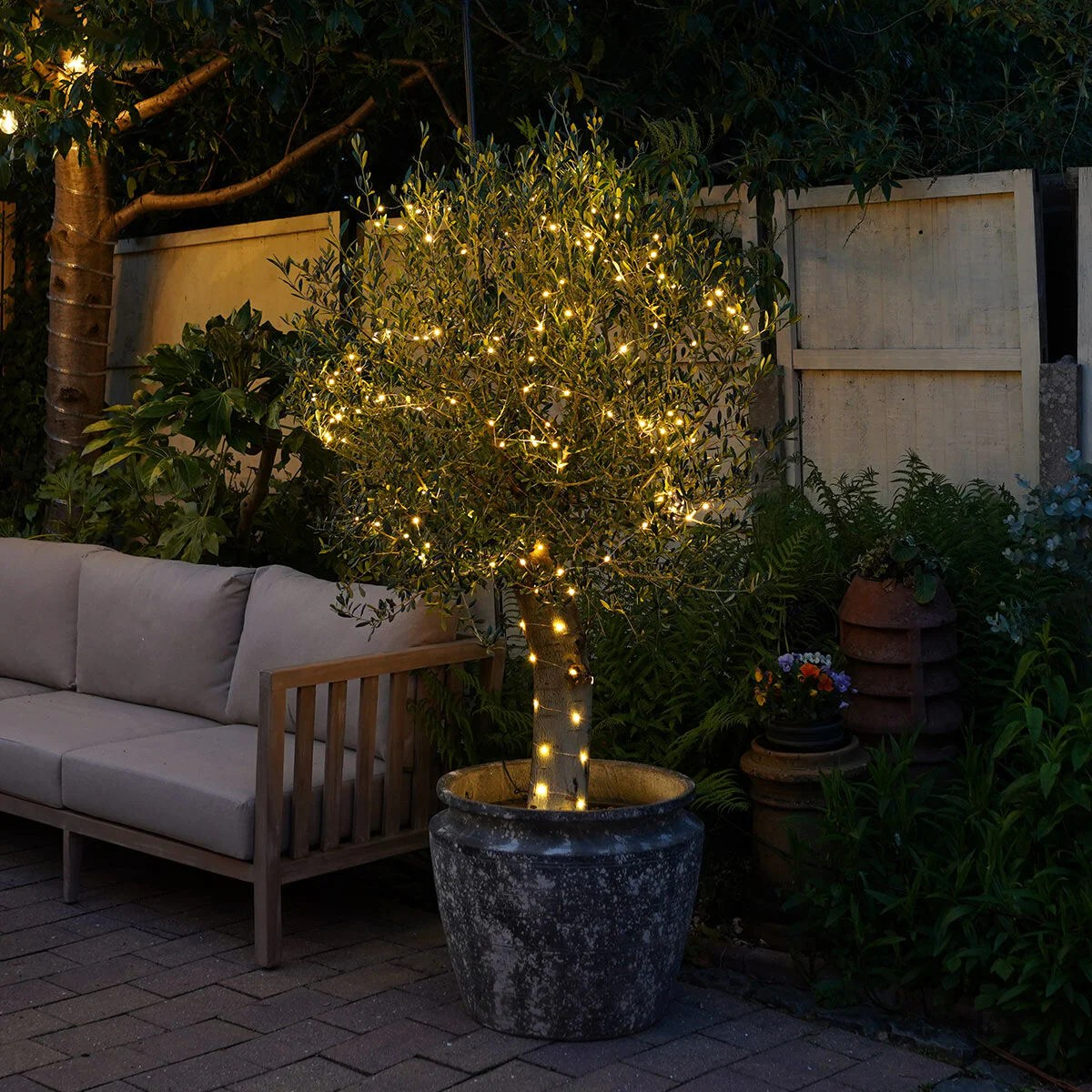
In conclusion, Japanese fairy lights solar represent a harmonious fusion of artistry and eco-consciousness. Their unique aesthetic, coupled with the efficiency of solar technology, positions them as a compelling choice for both residential and commercial applications. While understanding the nuances of installation, maintenance, and safety is crucial, the potential for creating captivating ambiances is undeniable.
